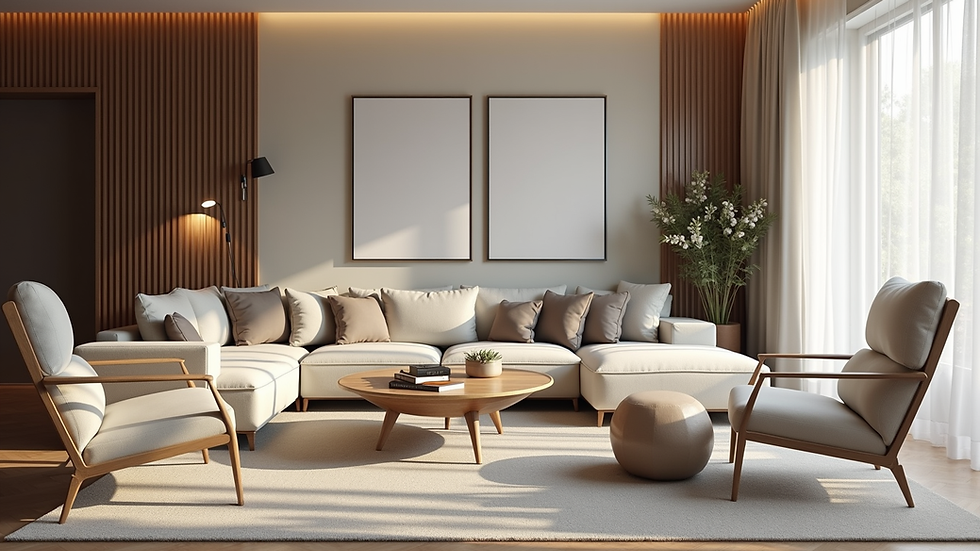
Premium Commercial Interiors: Elevate Your Workspace Today
Creating an inspiring workspace is no longer just a luxury; it’s a necessity. The design of your commercial interiors can significantly impact productivity, employee satisfaction, and even client perceptions. In a world where the competition for talent is fierce, investing in premium commercial interiors is a strategic move that can set your business apart.
The Importance of Workspace Design
The design of your workspace goes beyond aesthetics. It influences how employees interact, collaborate, and perform their tasks. Here are some key reasons why investing in premium commercial interiors is essential:
Boosts Productivity: A well-designed workspace can enhance focus and efficiency. Open layouts, natural light, and ergonomic furniture contribute to a more productive environment.
Enhances Employee Well-being: Comfortable and aesthetically pleasing spaces can reduce stress and improve overall well-being. This leads to higher job satisfaction and lower turnover rates.
Attracts Talent: A modern, inviting workspace can be a significant draw for potential employees. It reflects a company’s values and commitment to creating a positive work environment.
Improves Brand Image: The design of your workspace communicates your brand identity. A premium interior can leave a lasting impression on clients and partners.
Key Elements of Premium Commercial Interiors
When designing premium commercial interiors, several elements should be considered to create a cohesive and functional space.
1. Layout and Space Planning
The layout of your workspace should promote collaboration while also providing areas for focused work. Consider the following:
Open Spaces: Encourage teamwork and communication with open areas that allow for easy interaction.
Private Zones: Create quiet spaces for focused work, such as soundproof booths or private offices.
Flexible Areas: Incorporate movable furniture and adaptable spaces that can be reconfigured for different needs.
2. Color and Lighting
Color and lighting play a crucial role in setting the mood of your workspace.
Color Psychology: Use colors that inspire creativity and calmness. For example, blues and greens can promote tranquility, while yellows can stimulate energy.
Natural Light: Maximize natural light to enhance mood and productivity. Use large windows and glass partitions to create a bright, airy atmosphere.
Task Lighting: Ensure that work areas are well-lit with adjustable task lighting to reduce eye strain.
3. Furniture Selection
Choosing the right furniture is vital for both comfort and functionality.
Ergonomic Designs: Invest in ergonomic chairs and desks that support good posture and reduce discomfort.
Collaborative Furniture: Use modular furniture that can be easily rearranged for team meetings or brainstorming sessions.
Aesthetic Appeal: Select furniture that aligns with your brand identity and enhances the overall design.
4. Incorporating Nature
Biophilic design, which incorporates natural elements into the workspace, has been shown to improve well-being and productivity.
Indoor Plants: Adding greenery can purify the air and create a calming environment.
Natural Materials: Use wood, stone, and other natural materials to create a warm and inviting atmosphere.
Views of Nature: If possible, design your workspace to offer views of the outdoors, which can enhance mood and reduce stress.

Trends in Commercial Interior Design
Staying updated with the latest trends can help you create a workspace that is both functional and stylish. Here are some current trends in commercial interior design:
1. Sustainability
Sustainable design is becoming increasingly important. Consider using eco-friendly materials, energy-efficient lighting, and sustainable practices in your design process.
2. Technology Integration
Incorporating technology into your workspace can enhance productivity and collaboration. Consider:
Smart Lighting: Use lighting systems that adjust based on occupancy and natural light levels.
Collaboration Tools: Integrate technology that facilitates remote collaboration, such as video conferencing equipment and interactive displays.
3. Wellness-Focused Design
Designing with wellness in mind is a growing trend. This includes creating spaces that promote physical and mental health, such as:
Fitness Areas: Incorporate spaces for physical activity, such as yoga rooms or gym facilities.
Relaxation Zones: Designate areas for relaxation and mindfulness, such as meditation rooms or quiet lounges.
Case Studies: Successful Commercial Interiors
To illustrate the impact of premium commercial interiors, let’s look at a few successful case studies.
Case Study 1: Tech Company Headquarters
A leading tech company revamped its headquarters to foster innovation and collaboration. The new design featured:
Open Workspaces: Large, open areas encouraged teamwork and communication.
Relaxation Zones: Comfortable lounges and game rooms provided employees with spaces to unwind.
Sustainable Practices: The design incorporated recycled materials and energy-efficient systems, reducing the company’s carbon footprint.
Case Study 2: Creative Agency
A creative agency transformed its office into a vibrant, inspiring space. Key features included:
Colorful Interiors: Bright colors and artistic murals stimulated creativity and energy.
Flexible Work Areas: Movable furniture allowed teams to reconfigure spaces for different projects.
Biophilic Elements: Indoor plants and natural materials created a calming environment that improved employee well-being.
Tips for Designing Your Premium Commercial Interiors
Designing premium commercial interiors can be a complex process, but with careful planning and consideration, you can create a space that meets your needs. Here are some practical tips:
Assess Your Needs: Before starting the design process, evaluate your company’s specific needs and goals. Consider factors such as team size, work styles, and company culture.
Engage Professionals: Collaborate with interior designers and architects who specialize in commercial spaces. Their expertise can help you navigate the design process effectively.
Involve Employees: Gather feedback from employees to understand their preferences and needs. This can lead to a more inclusive and effective design.
Plan for the Future: Consider how your workspace may need to adapt in the future. Design flexible spaces that can evolve with your company’s growth.
Conclusion
Investing in premium commercial interiors is a strategic decision that can significantly impact your organization’s success. By creating a workspace that promotes productivity, well-being, and collaboration, you can elevate your business to new heights. Remember to focus on key elements such as layout, color, furniture, and sustainability to create a space that reflects your brand and meets the needs of your employees.
Take the first step towards transforming your workspace today. Explore design options, gather feedback, and start planning for a premium interior that will inspire and engage your team.